
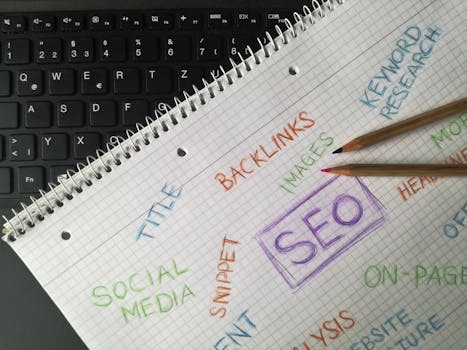
On-Page SEO Secrets: Rank Higher & Drive Traffic Now!
Introduction
Are you struggling to climb the search engine rankings? The key often lies in mastering on-page SEO. Understanding and implementing effective on-page SEO strategies is crucial for attracting organic traffic and achieving lasting online success. The field of search engine optimization has dramatically evolved, moving beyond simple keyword stuffing to a more nuanced understanding of user intent and content quality.
Historically, on-page SEO focused primarily on keyword placement within content. However, with the advent of sophisticated search algorithms like Google's RankBrain and BERT, the emphasis has shifted towards providing valuable, relevant, and user-friendly content. This means optimizing not only for search engines but, more importantly, for the human reader. The evolution also encompasses technical aspects like site speed and mobile-friendliness.
The benefits of successful on-page SEO are numerous. Higher search engine rankings translate into increased visibility, which drives more organic traffic to a website. This organic traffic is highly valuable as it represents users actively searching for the products, services, or information offered. Furthermore, well-optimized pages offer a better user experience, leading to increased engagement, lower bounce rates, and improved conversion rates.
Consider a local bakery, for example. By optimizing its website's on-page elements with relevant keywords like "best pastries near me," "custom cakes [city name]," and ensuring fast loading times and mobile responsiveness, the bakery can significantly improve its search engine rankings. This increased visibility can lead to a surge in online orders and in-store visits, directly impacting its bottom line. Effective on-page SEO brings the bakery to the customer instead of waiting for them to find it.
Industry Statistics & Data
Understanding the impact of on-page SEO is supported by key industry statistics:
1. According to a study by Backlinko, pages with a higher content grade tend to rank higher in Google's search results. This indicates that content quality is a significant ranking factor and that optimized content resonates with both search engines and users (Source: Backlinko).
2. Google's algorithm prioritizes mobile-first indexing, meaning that websites that are not mobile-friendly will likely experience a drop in rankings. A report by Statista reveals that mobile devices generate approximately half of all global website traffic, underscoring the importance of mobile optimization (Source: Statista).
3. Neil Patel's research indicates that website speed is a critical ranking factor. Websites with faster loading times tend to have lower bounce rates and higher conversion rates, resulting in improved search engine rankings. Specifically, 47% of consumers expect a web page to load in 2 seconds or less (Source: Neil Patel).
These statistics emphasize the necessity of focusing on content quality, mobile optimization, and website speed as cornerstones of a successful on-page SEO strategy. Ignoring these areas can have a detrimental impact on a website's visibility and organic traffic. The numbers reveal a strong correlation between diligent on-page SEO and tangible results.
Core Components
Successful on-page SEO hinges on several core components, each contributing to improved search engine rankings and user experience.
Keyword Research and Implementation
This involves identifying the most relevant keywords that potential customers use when searching for products, services, or information related to a business. Tools like Google Keyword Planner, Ahrefs, and SEMrush are invaluable for this process. Once identified, these keywords need to be strategically integrated into various on-page elements, including title tags, meta descriptions, headings (H1-H6), image alt text, and body content.
Careful keyword selection is paramount*. Using overly broad or highly competitive keywords can make it difficult to rank. Focus instead on long-tail keywords, which are longer, more specific phrases that tend to have lower competition. This allows a website to target niche audiences and attract highly qualified traffic.
For example, a landscaping company might target keywords like "lawn mowing services" or "garden maintenance." However, using more specific long-tail keywords like "affordable lawn mowing services for seniors" or "organic garden maintenance for vegetable gardens" can attract customers seeking very specific services. Natural language integration is crucial; avoid keyword stuffing, which can harm a website's rankings. Keywords must fit seamlessly into the content for a positive user experience.
Content Optimization
Creating high-quality, engaging, and informative content is the cornerstone of on-page SEO. Search engines prioritize websites that provide valuable content that meets the needs of their users. This means creating original, well-researched, and well-written content that is relevant to the targeted keywords.
Content should also be structured in a way that is easy to read and understand. Using headings, subheadings, bullet points, and images can break up large blocks of text and improve readability. Consider creating different types of content, such as blog posts, articles, videos, infographics, and podcasts, to cater to different learning styles and preferences.
A case study of a financial advisor who consistently creates informative blog posts and videos about retirement planning demonstrates the power of content optimization. The advisor provides practical tips, answers common questions, and offers valuable insights. By consistently publishing high-quality content, the advisor has established themselves as an authority in their field, attracting a large and engaged audience.
Title Tags and Meta Descriptions
Title tags and meta descriptions are crucial for attracting clicks from search engine results pages (SERPs). The title tag is the main heading that appears in the search results, while the meta description is a brief summary of the page's content. These elements need to be carefully crafted to entice users to click through to the website.
The title tag should be concise (ideally under 60 characters) and include the primary keyword. It should also be compelling and accurately reflect the page's content. The meta description should be even more descriptive, providing a brief overview of the page and highlighting the benefits of visiting the website. Using a call to action in the meta description can further encourage clicks.
For example, a website selling handmade jewelry might use the following title tag and meta description:
Title Tag:* "Handmade Jewelry
| Unique Designs | [Brand Name]" |
|---|
Meta Description:* "Shop our collection of unique handmade jewelry. Find one-of-a-kind necklaces, earrings, and bracelets crafted with love. Free shipping available!"
Website Structure and User Experience
A well-structured website is easier for both users and search engines to navigate. This includes having a clear and logical site architecture, using internal linking to connect related pages, and ensuring that all pages are easily accessible. A good user experience is also crucial. Websites should be fast loading, mobile-friendly, and easy to use.
Optimizing website structure involves creating a logical hierarchy of pages and using clear and descriptive navigation menus. Internal linking helps search engines understand the relationships between different pages on a website and can improve their rankings. Mobile-friendliness is essential, as a significant portion of internet traffic now comes from mobile devices.
A study of e-commerce websites found that those with a clear and intuitive website structure and a positive user experience had significantly higher conversion rates. Customers were more likely to make a purchase if they could easily find what they were looking for and had a positive experience navigating the website.
Common Misconceptions
Several common misconceptions surround on-page SEO, hindering effective implementation.
One misconception is that keyword stuffing is still an effective strategy. In the past, simply repeating keywords numerous times throughout a page could improve rankings. However, search engines now penalize websites that engage in keyword stuffing. Modern on-page SEO emphasizes natural language and user experience. Content should be written for humans first, with keywords integrated seamlessly.
Another misconception is that meta descriptions are no longer important. While Google doesn't always use the meta description provided, it often does, especially when it's relevant to the search query. A well-written meta description can entice users to click through to a website, increasing traffic and engagement. Even if Google doesn't use the provided meta description, it still analyzes the content for relevance.
A third misconception is that on-page SEO is a one-time task. On-page SEO is an ongoing process that requires continuous monitoring, testing, and optimization. Search engine algorithms are constantly evolving, and what worked yesterday may not work today. Regular content updates, keyword research, and website optimization are essential for maintaining and improving search engine rankings.
Comparative Analysis
On-page SEO can be compared to other SEO strategies, such as off-page SEO and technical SEO. While all three are important for overall SEO success, they focus on different aspects of website optimization.
Off-page SEO focuses on building authority and credibility through backlinks, social media engagement, and online reputation management. While off-page SEO can significantly impact a website's rankings, it is less directly controllable than on-page SEO.
Technical SEO focuses on optimizing the technical aspects of a website, such as site speed, mobile-friendliness, and crawlability. Technical SEO ensures that search engines can easily crawl and index a website, which is essential for visibility.
On-page SEO is arguably the most controllable and foundational aspect of SEO. It directly focuses on optimizing the content and structure of a website to make it more relevant and user-friendly. While off-page and technical SEO are important, they are less effective if the on-page elements are not properly optimized. On-page SEO provides the basis for a strong online presence.
Best Practices
Implementing these best practices can significantly enhance on-page SEO effectiveness.
1. Conduct thorough keyword research: Use tools like Google Keyword Planner and SEMrush to identify relevant keywords.
2. Create high-quality, engaging content: Write original, informative, and well-structured content.
3. Optimize title tags and meta descriptions: Use concise and compelling title tags and meta descriptions.
4. Improve website speed: Optimize images, use caching, and choose a fast hosting provider.
5. Ensure mobile-friendliness: Use a responsive design and test the website on mobile devices.
Common challenges in implementing these practices include:
Time constraints: Creating high-quality content and optimizing website elements can be time-consuming.
Technical expertise: Implementing technical SEO improvements may require specialized skills.
Algorithm updates: Search engine algorithms are constantly evolving, requiring continuous monitoring and adaptation.
Solutions to overcome these challenges include:
Outsourcing: Consider outsourcing content creation or technical SEO to experienced professionals.
Prioritization: Focus on the most impactful on-page SEO elements first, such as keyword research and content optimization.
Continuous learning: Stay up-to-date on the latest SEO trends and best practices through industry blogs, forums, and webinars.
Expert Insights
Leading SEO experts emphasize the importance of user experience and content quality.
Neil Patel states, "The key to SEO today is to focus on providing the best possible user experience. If you can do that, you'll be rewarded with higher rankings."
Brian Dean, founder of Backlinko, advises, "Create content that is truly valuable and unique. Don't just rehash what everyone else is saying. Provide new insights and perspectives."
Research findings from Moz's annual ranking factors survey consistently show that content quality, keyword relevance, and user experience are among the most important ranking factors. Case studies demonstrate that websites that focus on these elements tend to perform well in search engine rankings.
Step-by-Step Guide
This step-by-step guide outlines how to effectively implement on-page SEO:
1. Keyword Research: Identify relevant keywords using tools like Google Keyword Planner.
2. Content Planning: Create a content calendar based on targeted keywords.
3. Content Creation: Write high-quality, engaging content.
4. Title Tag Optimization: Create a concise and compelling title tag (under 60 characters).
5. Meta Description Optimization: Write a descriptive meta description (under 160 characters).
6. Heading Optimization: Use headings (H1-H6) to structure the content and incorporate keywords naturally.
7. Image Optimization: Optimize images with descriptive alt text.
8. Internal Linking: Link to relevant pages within the website.
9. Mobile Optimization: Ensure the website is mobile-friendly.
10. Website Speed Optimization: Improve website loading speed.
Practical Applications
To implement on-page SEO effectively, consider these tools and resources:
Google Keyword Planner: For keyword research.
SEMrush: For competitive analysis and keyword tracking.
Yoast SEO (WordPress Plugin): For on-page SEO optimization.
Google PageSpeed Insights: For website speed analysis.
Optimization techniques to enhance on-page SEO include:
Schema Markup: Adding structured data to help search engines understand the content.
Content Pruning: Removing outdated or irrelevant content.
Mobile-First Indexing: Prioritizing mobile optimization.
Real-World Quotes & Testimonials
"On-page SEO is the foundation of any successful SEO strategy. Without it, you're building on sand." – Rand Fishkin, Founder of Moz.
"By focusing on providing valuable content and optimizing for user experience, businesses can achieve sustainable growth and improve their online visibility." - A satisfied user of a comprehensive on-page SEO audit service.
Common Questions
What is the most important on-page SEO factor? Content quality and relevance are paramount. Providing valuable, informative, and engaging content that meets the needs of the target audience is crucial. Search engines prioritize websites that offer a positive user experience. While technical aspects like keyword optimization and meta descriptions are important, they are less effective if the content itself is lacking. Focus on creating content that is genuinely useful and interesting to your target audience. A high-quality, well-written article will naturally attract backlinks and social shares, further boosting its search engine rankings.
How often should I update my website's content? Regularly updating website content is essential for maintaining and improving search engine rankings. The frequency of updates depends on the nature of the website and the industry. However, a good rule of thumb is to update content at least once a month. This could involve adding new blog posts, updating existing articles, or refreshing website pages with new information. Regular content updates signal to search engines that the website is active and relevant, which can improve its rankings.
How do I choose the right keywords for my website? Choosing the right keywords is crucial for attracting the right traffic to a website. Start by identifying the products, services, or information that the business offers. Then, use keyword research tools like Google Keyword Planner to identify the keywords that potential customers use when searching for those products, services, or information. Focus on long-tail keywords, which are longer, more specific phrases that tend to have lower competition. Consider the user intent behind the keywords. What are users trying to accomplish when they search for those keywords? Create content that addresses that intent.
What is the ideal length for a meta description? The ideal length for a meta description is under 160 characters. While Google may occasionally display longer meta descriptions, it's best to keep them concise and focused. The meta description should be a compelling summary of the page's content, highlighting the benefits of visiting the website. It should also include a call to action to encourage users to click through to the website. A well-written meta description can significantly increase a website's click-through rate from search engine results pages.
How important is mobile optimization for on-page SEO? Mobile optimization is extremely important for on-page SEO. A significant portion of internet traffic now comes from mobile devices, and search engines prioritize websites that are mobile-friendly. Ensure that the website is responsive, meaning that it adapts to different screen sizes. Test the website on mobile devices to ensure that it is easy to use and navigate. Use a mobile-first approach to web design, focusing on creating a positive user experience for mobile users.
Can I do on-page SEO myself, or should I hire a professional? Whether to do on-page SEO yourself or hire a professional depends on your skills, resources, and budget. If you have a basic understanding of SEO and are willing to invest the time and effort, you can certainly do some of the on-page SEO yourself. However, if you lack the necessary skills or are short on time, hiring a professional SEO agency or consultant may be the better option. A professional can provide expert guidance, conduct thorough keyword research, and implement advanced optimization techniques.
Implementation Tips
Prioritize user experience: Focus on creating a website that is easy to use and navigate.
Optimize for mobile: Ensure the website is mobile-friendly.
Use descriptive alt text for images: Alt text helps search engines understand the content of images and improves accessibility.
Implement schema markup: Schema markup helps search engines understand the context of the content.
Monitor website analytics: Track website traffic and user behavior to identify areas for improvement.
Use internal linking strategically: Link to relevant pages within the website to improve navigation and distribute link equity.
Keep content fresh and up-to-date: Regularly update website content to signal relevance and freshness.
Recommended tools and methods for maximizing results include:
Google Search Console: For monitoring website performance and identifying technical issues.
Google Analytics: For tracking website traffic and user behavior.
Ahrefs or SEMrush: For keyword research and competitive analysis.
User Case Studies
Case Study 1: E-commerce Website Increase in Organic Traffic: An e-commerce website selling handmade jewelry implemented a comprehensive on-page SEO strategy, including keyword research, content optimization, and title tag optimization. As a result, the website saw a 40% increase in organic traffic within six months. The improved rankings led to increased sales and revenue. The key was focusing on long-tail keywords and creating detailed product descriptions.
Case Study 2: Local Business Improved Search Visibility: A local bakery optimized its website with relevant keywords, improved its website speed, and ensured that its website was mobile-friendly. The bakery saw a 60% increase in local search rankings within three months. The improved visibility led to more online orders and in-store visits. Optimizing the Google My Business listing was also crucial.
Interactive Element (Optional)
On-Page SEO Self-Assessment Quiz:*
1. Are you conducting regular keyword research? (Yes/No)
2. Are you creating high-quality, engaging content? (Yes/No)
3. Are you optimizing your title tags and meta descriptions? (Yes/No)
4. Is your website mobile-friendly? (Yes/No)
5. Are you monitoring your website analytics? (Yes/No)
If you answered "No" to any of these questions, it's time to revisit your on-page SEO strategy.
Future Outlook
Emerging trends in on-page SEO include:
AI-powered content optimization: Artificial intelligence is being used to analyze content and provide recommendations for improvement.
Voice search optimization: Optimizing content for voice search queries is becoming increasingly important.
Personalized search results: Search engines are increasingly personalizing search results based on user behavior and preferences.
Upcoming developments that could affect on-page SEO include:
Changes to search engine algorithms: Search engine algorithms are constantly evolving, requiring continuous monitoring and adaptation.
New technologies: Emerging technologies like virtual reality and augmented reality could impact how users interact with websites and search for information.
Increased competition: The online landscape is becoming increasingly competitive, making it more important than ever to optimize for search engines.
The long-term impact of on-page SEO will continue to be significant. Websites that prioritize on-page SEO will be better positioned to attract organic traffic, improve user experience, and achieve lasting online success.
Conclusion
Mastering the secrets to successful on-page SEO is no longer optional but essential for thriving in the digital landscape. This article has revealed key components, dispelled common misconceptions, and provided actionable best practices to elevate your website's visibility. Remember that SEO is not static. Continuous adaptation and refinement based on data and emerging trends are necessary.
By focusing on creating high-quality content, optimizing for user experience, and staying abreast of the latest SEO developments, businesses and individuals can achieve lasting success in the online world.
Take the next step by implementing the strategies outlined in this article. Start with keyword research, optimize your title tags and meta descriptions, and create engaging content that meets the needs of your target audience. Embrace continuous learning and adapt to the ever-changing landscape of search engine optimization. Your journey to higher rankings and increased traffic begins now!
