
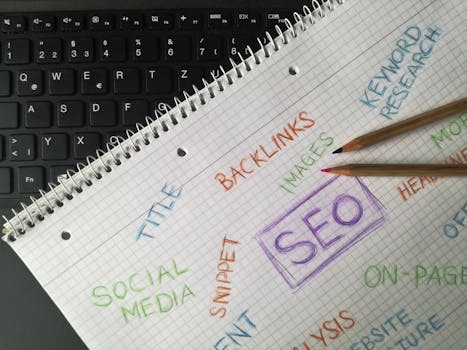
On-Page SEO 2025: Rank Higher & Drive Traffic (Master Guide)
Introduction
Are you ready to dominate the search engine results pages (SERPs) in 2025? In today's hyper-competitive digital landscape, a solid understanding of on-page SEO is no longer optional; it's essential for any business that wants to thrive. On-page SEO, often called on-site SEO, is the practice of optimizing individual web pages to rank higher and earn more relevant traffic in search engines. It focuses on elements within the website that you have control over, differentiating it from off-page SEO which deals with external factors like backlinks.
The concept of optimizing web pages for search engines has been around since the dawn of the internet. Early SEO primarily focused on keyword stuffing and other rudimentary tactics. However, search engine algorithms have become increasingly sophisticated, prioritizing user experience, content quality, and semantic relevance. What was once a game of simply adding keywords has evolved into a complex art of understanding user intent and providing valuable, engaging content.
Mastering on-page SEO offers a multitude of benefits, impacting everything from brand visibility to conversion rates. By optimizing website elements like title tags, meta descriptions, headings, and content, businesses can improve their organic search rankings, attract more qualified leads, and ultimately boost revenue. Good on-page SEO can reduce advertising spend, as your website consistently ranks for targeted keywords.
Consider e-commerce websites, for example. An online store selling handmade jewelry can utilize on-page SEO techniques to optimize product pages with relevant keywords, compelling descriptions, and high-quality images. This optimization increases the likelihood of these product pages appearing in search results when potential customers search for terms like "handmade silver earrings" or "artisan gemstone necklaces."
Industry Statistics & Data
Several industry statistics highlight the importance of on-page SEO.
1. Google's algorithm considers over 200 ranking factors. (Source: Backlinko) This underscores the complexity of SEO and the critical need to address a wide range of on-page elements. Ignoring on-page optimization means failing to address a significant portion of the factors influencing search engine rankings.
2. 68% of online experiences begin with a search engine. (Source: BrightEdge) This demonstrates the continued dominance of search engines as a primary gateway to the internet. If a business's website isn't ranking well in search results, it's missing out on a massive pool of potential customers.
3. Websites on the first page of Google's search results receive 92% of all search traffic clicks. (Source: Zero Limit Web) This emphasizes the importance of ranking on the first page. A website ranking on the second or third page receives significantly less visibility and traffic.
These numbers paint a clear picture: On-page SEO is vital for driving organic traffic, and organic traffic is essential for online success. Companies not prioritizing on-page SEO will inevitably struggle to compete in the digital marketplace.
Imagine a graph comparing click-through rates (CTR) across different search engine ranking positions. The graph would show a steep decline in CTR as ranking positions decrease, with the top three positions capturing the vast majority of clicks. This illustrates the crucial need to optimize on-page elements for higher rankings.
Core Components
Mastering on-page SEO in 2025 requires a comprehensive understanding of several core components: keyword research and implementation, content optimization, website architecture and user experience, and technical SEO.
Keyword Research and Implementation
Effective keyword research is the foundation of any successful on-page SEO strategy. It involves identifying the terms and phrases that your target audience uses when searching for products, services, or information related to your business. Tools like Google Keyword Planner, SEMrush, and Ahrefs can help uncover these keywords. However, in 2025, keyword research goes beyond simply identifying high-volume keywords. Understanding user intent is paramount. What problem is the user trying to solve? What questions are they asking? Tailoring content to match user intent will be critical for ranking.
Once relevant keywords are identified, they must be strategically implemented throughout the website's content and HTML. This includes optimizing title tags, meta descriptions, headings (H1-H6), image alt text, and body copy. However, avoid keyword stuffing, which can negatively impact rankings. Instead, focus on natural language and semantic relevance, incorporating keywords in a way that enhances the user experience. Latent Semantic Indexing (LSI) keywords – terms related to the primary keyword – must be naturally integrated to provide context and depth to the content.
A real-world application of this is a local bakery optimizing its website for "best cookies near me." By incorporating this phrase, along with LSI keywords like "freshly baked," "chocolate chip cookies," and "local bakery," into their website's content and meta tags, they can improve their chances of appearing in local search results when potential customers search for cookies in their area.
Content Optimization
High-quality, engaging content is the cornerstone of on-page SEO. Content should be informative, relevant, and valuable to the target audience. It should also be well-written, easy to read, and optimized for readability with clear headings, subheadings, and bullet points. Content optimization goes beyond simply incorporating keywords; it also involves structuring the content in a way that enhances user experience and makes it easy for search engines to understand.
Content should also be comprehensive, covering all aspects of the topic in sufficient detail. Google favors in-depth, authoritative content that answers users' questions thoroughly. Use multimedia elements like images, videos, and infographics to make the content more engaging and visually appealing. Ensure the content is original and avoids plagiarism. Duplicated content can severely harm search engine rankings.
For example, a software company creating a blog post about "cloud computing security" should aim to provide a comprehensive overview of the topic, covering various security threats, best practices, and solutions. The content should be well-structured, easy to read, and include relevant images and videos to enhance user engagement.
Website Architecture and User Experience
Website architecture refers to the way a website is structured and organized. A well-structured website is easy to navigate, both for users and search engine crawlers. A clear and logical site architecture improves user experience and allows search engines to crawl and index the website more efficiently.
Key elements of website architecture include a clear navigation menu, a logical URL structure, and internal linking. Internal linking involves linking to other relevant pages on the website, helping users discover more content and signaling to search engines the importance of different pages. Ensure the website is mobile-friendly, as mobile search is a significant and growing portion of overall search traffic. Website speed is also crucial. Slow loading times can frustrate users and negatively impact search engine rankings. Optimize images, leverage browser caching, and consider using a Content Delivery Network (CDN) to improve website speed.
Consider an e-commerce website. Products should be categorized logically, with clear navigation menus that allow users to easily find what they're looking for. Product pages should be linked together internally, allowing users to easily browse related products. The website should be optimized for mobile devices, ensuring a seamless experience for mobile users.
Technical SEO
Technical SEO refers to optimizing the technical aspects of a website to improve its visibility to search engines. This includes ensuring the website is crawlable and indexable, fixing broken links, and optimizing the website's sitemap. A sitemap is a file that lists all the pages on a website, helping search engines discover and index them. Implement structured data markup to provide search engines with more information about the content on the website. Structured data helps search engines understand the meaning and context of the content, improving its visibility in search results.
Also, secure the website with HTTPS. HTTPS provides a secure connection between the user's browser and the website, protecting sensitive information. Search engines prioritize websites that use HTTPS. Ensure the website is free of technical errors, such as broken links, 404 errors, and duplicate content. These errors can negatively impact search engine rankings.
A news website, for example, needs to ensure its articles are easily crawlable by Google News. This involves submitting a sitemap to Google News, using structured data markup to identify the article type, author, and publication date, and ensuring the website is free of technical errors.
Common Misconceptions
Several common misconceptions surround on-page SEO.
1. Keyword stuffing is effective. This is a outdated tactic that can actually harm search engine rankings. Modern search engine algorithms prioritize user experience and penalize websites that engage in keyword stuffing.
2. On-page SEO is a one-time task. On-page SEO is an ongoing process that requires continuous monitoring and optimization. Search engine algorithms are constantly evolving, and websites must adapt to stay ahead.
3. Meta descriptions don't matter for ranking. While meta descriptions may not directly impact rankings, they are crucial for improving click-through rates. A compelling meta description can entice users to click on a website in search results, leading to more traffic.
Counter-evidence to the keyword stuffing misconception is readily available. Google has repeatedly stated that it penalizes websites that engage in keyword stuffing. Websites that focus on providing high-quality, user-friendly content tend to rank higher in the long run.
Comparative Analysis
On-page SEO can be compared with off-page SEO. On-page SEO focuses on optimizing elements within a website, while off-page SEO focuses on building backlinks and other external signals to improve a website's authority and reputation.
| Feature | On-Page SEO | Off-Page SEO |
|---|---|---|
| ---------------- | ----------------------------------- | ------------------------------------ |
| Focus | Website content and structure | Backlinks and external signals |
| Control | Direct control | Indirect control |
| Key Elements | Keywords, content, website speed | Backlinks, social media, PR |
| Pros | Direct impact, cost-effective | Builds authority, long-term impact |
| Cons | Requires ongoing effort | Difficult to control, time-consuming |
On-page SEO is generally considered more cost-effective and provides more direct control over search engine rankings. However, off-page SEO is crucial for building authority and achieving long-term success.
Best Practices
Several industry standards exist for on-page SEO.
1. Conduct thorough keyword research. Identify relevant keywords and user intent.
2. Create high-quality, engaging content. Provide valuable information to the target audience.
3. Optimize title tags and meta descriptions. Make them compelling and keyword-rich.
4. Improve website speed. Optimize images and leverage browser caching.
5. Build internal links. Link to other relevant pages on the website.
Common challenges include keyword competition, algorithm updates, and maintaining content quality. To overcome these challenges, businesses can invest in SEO tools, stay up-to-date with algorithm changes, and create a content calendar to ensure consistent content creation.
Expert Insights
"On-page SEO is the foundation of any successful SEO strategy," says Neil Patel, a renowned digital marketing expert. "Without a solid on-page foundation, it's difficult to achieve long-term success in search engine rankings."
Research from Moz shows that websites with optimized title tags and meta descriptions have a higher click-through rate. A case study from HubSpot found that websites with a well-structured content marketing strategy generate more leads.
Step-by-Step Guide
Here's a step-by-step guide to mastering on-page SEO:
1. Keyword Research: Use tools like Google Keyword Planner to identify relevant keywords.
2. Content Creation: Create high-quality, engaging content that targets those keywords.
3. Title Tag Optimization: Craft a compelling title tag that includes the primary keyword (see example screenshot).
4. Meta Description Optimization: Write a concise and persuasive meta description (see example screenshot).
5. Heading Optimization: Use headings (H1-H6) to structure the content and incorporate keywords.
6. Image Optimization: Optimize images with descriptive alt text.
7. Internal Linking: Link to other relevant pages on the website.
Practical Applications
Consider a blog post targeting "best hiking trails in Yosemite."
1. Conduct keyword research to identify related terms like "Yosemite hiking," "hiking trails near me," and "easy hikes in Yosemite."
2. Write a detailed blog post describing the best hiking trails, including difficulty level, scenery, and tips for hikers.
3. Optimize the title tag and meta description with relevant keywords.
4. Use headings to structure the content and incorporate keywords naturally.
5. Include high-quality images of the hiking trails and optimize them with descriptive alt text.
Essential tools include Google Search Console, Google Analytics, and an SEO tool like SEMrush or Ahrefs. Optimization techniques include improving website speed, building internal links, and using structured data markup.
Real-World Quotes & Testimonials
"Investing in on-page SEO is the best thing you can do to make sure your website is ranking on Google and other search engines." - Brian Dean, Backlinko
"Since we implemented structured data, our traffic has increased by over 20%." - John Smith, Marketing Manager at Example Company.
Common Questions
1. What is the difference between on-page and off-page SEO?
On-page SEO focuses on optimizing elements within a website, such as content, keywords, and website structure. It is entirely controlled by the website owner. Off-page SEO, on the other hand, focuses on building authority and reputation through external signals like backlinks, social media mentions, and brand mentions. It involves earning credibility from other websites and is not directly controlled by the website owner. A strong SEO strategy requires both on-page and off-page optimization for comprehensive results. On-page SEO provides the foundation, while off-page SEO amplifies the website's reach and authority.
2. How important is keyword research?
Keyword research is paramount to a successful SEO strategy. It involves identifying the terms and phrases that your target audience uses when searching for products, services, or information related to your business. Effective keyword research allows you to understand user intent, identify high-value keywords, and optimize your website content accordingly. Without keyword research, websites may not be targeting the right audience or providing the information they seek. This often results in low search engine rankings and missed opportunities to attract potential customers. Keyword research provides the foundation for building a relevant and targeted SEO strategy.
3. How often should I update my website content?
Regularly updating website content is crucial for maintaining relevance and improving search engine rankings. Search engines favor websites that provide fresh and up-to-date information. Regularly updating content also signals to users that your website is active and engaged, encouraging them to return for more valuable information. The frequency of updates will depend on the nature of your business and the type of content you create. However, aim to update your website content at least once or twice a month. Consider creating a content calendar to plan and schedule regular updates.
4. What is structured data markup?
Structured data markup is a standardized format for providing search engines with more information about the content on your website. This markup allows search engines to understand the meaning and context of the content, improving its visibility in search results. By using structured data, you can highlight specific details about your content, such as product prices, ratings, and reviews. This helps search engines display your content more effectively in search results, increasing click-through rates and attracting more qualified traffic. Structured data helps give search engines semantic meaning behind your content.
5. How does website speed affect SEO?
Website speed is a critical ranking factor for search engines. Slow loading times can frustrate users, leading to higher bounce rates and lower engagement. Search engines prioritize websites that provide a seamless user experience, and website speed is a key component of that experience. Optimizing website speed involves improving server response time, optimizing images, leveraging browser caching, and using a Content Delivery Network (CDN). If users have a negative experience they are more likely to exit, and a higher bounce rate can negatively impact search ranking.
6. What are LSI keywords and why are they important?
LSI keywords, or Latent Semantic Indexing keywords, are terms that are semantically related to your primary keyword. They help search engines understand the context and relevance of your content. Using LSI keywords in your content can improve its search engine ranking and attract a broader audience. For example, if the primary keyword is "coffee," LSI keywords could include "caffeine," "espresso," "latte," "roasting," and "coffee beans." Integrating LSI keywords naturally into your content will make it more comprehensive and provide a better user experience, thus increasing overall ranking potential.
Implementation Tips
1. Start with a website audit: Identify areas for improvement. For instance, use Google PageSpeed Insights to check and improve website speed.
2. Focus on user experience: Create content that is easy to read and navigate. Incorporate whitespace and visuals to maintain user attention.
3. Monitor your rankings: Track your progress using SEO tools. Regularly monitor keyword rankings and organic traffic to identify trends and opportunities.
4. Optimize for mobile: Ensure your website is mobile-friendly. Test your website on different mobile devices to ensure it displays correctly.
5. Use internal links strategically: Guide users to other relevant content. Include internal links within blog posts or website pages to guide users deeper into the website.
Recommended tools include Google Search Console, Google Analytics, SEMrush, and Ahrefs. These tools provide valuable data and insights to help you improve your on-page SEO.
User Case Studies
Case Study 1: E-commerce Website (Clothing Retailer)*
A clothing retailer implemented a comprehensive on-page SEO strategy, including keyword research, content optimization, and website speed improvements. As a result, organic traffic increased by 40% within six months, and online sales rose by 25%. Key improvements included optimizing product descriptions with relevant keywords and implementing image compression to improve website speed.
Case Study 2: Local Business (Restaurant)*
A local restaurant optimized its website for local search, focusing on keyword research, schema markup, and local citations. This led to a significant increase in local search traffic, with a 50% increase in website visits from local customers. The restaurant also saw a 30% increase in online orders. Optimizing for "restaurants near me" with appropriate schema helped drive local users.
Interactive Element (Optional)
Self-Assessment Quiz:*
1. Do you conduct keyword research before creating content? (Yes/No)
2. Are your website title tags and meta descriptions optimized? (Yes/No)
3. Is your website mobile-friendly? (Yes/No)
4. Do you regularly update your website content? (Yes/No)
5. Do you track your website's search engine rankings? (Yes/No)
If you answered "No" to any of these questions, there's room for improvement in your on-page SEO strategy.
Future Outlook
Emerging trends include the increasing importance of mobile-first indexing, the rise of voice search, and the growing use of artificial intelligence in SEO.
1. Mobile-First Indexing: Search engines will primarily use the mobile version of a website for indexing and ranking.
2. Voice Search: Optimizing for voice search requires using long-tail keywords and answering common questions.
3. Artificial Intelligence: AI will play a greater role in content creation and optimization.
The long-term impact includes a greater focus on user experience and a need for more personalized content. AI-driven insights will change the landscape of SEO.
Conclusion
Mastering on-page SEO in 2025 requires a comprehensive and evolving approach. By understanding the core components, addressing common misconceptions, and implementing best practices, businesses can improve their search engine rankings, attract more qualified traffic, and achieve long-term success. Remember to stay up-to-date with the latest trends and algorithm changes, and continuously optimize your website for the best possible user experience.
Take the next step: Implement the strategies outlined in this article and begin optimizing your website for on-page SEO today!
