
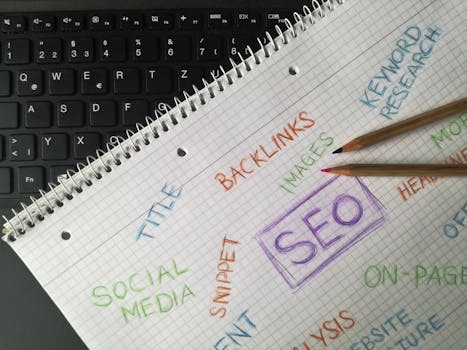
On-Page SEO: Quick Fixes for Higher Rankings & Traffic
Introduction
Is the digital realm feeling a bit like shouting into a void? Are your pages languishing in the depths of search engine results, unseen and unheard? The answer might lie in mastering your on-page SEO. 'Do This to Improve Your On-Page SEO Instantly' isn't just a catchy title; it's a fundamental principle for attracting organic traffic and boosting your online visibility.
The significance of on-page SEO cannot be overstated in today’s digital landscape. While off-page strategies like link building contribute to overall authority, on-page optimization ensures your content is easily understandable and relevant to both search engines and users.
Historically, SEO focused heavily on keyword stuffing and manipulative tactics. However, search engine algorithms have evolved, prioritizing user experience and high-quality content. This shift necessitates a holistic approach to on-page SEO, emphasizing relevance, clarity, and user engagement.
The benefits of effective on-page SEO are numerous, ranging from improved search engine rankings and increased organic traffic to enhanced user experience and higher conversion rates. Industries across the board, from e-commerce to education, benefit immensely from optimized content that resonates with their target audience.
Consider a small business selling handmade jewelry online. By optimizing product descriptions with relevant keywords, crafting compelling title tags, and ensuring their website is mobile-friendly, they can significantly increase their visibility in search results and attract more potential customers interested in purchasing unique, handcrafted items. This increased visibility translates directly to higher sales and brand recognition.
Industry Statistics & Data
The importance of on-page optimization is reflected in several key industry statistics:
1. According to a study by Backlinko, pages with a high content grade (assessed by tools like Surfer SEO) rank significantly higher in Google. Specifically, they found a correlation between content depth and first-page rankings. (Source: Backlinko)
2. Statista reports that organic search accounts for approximately 53% of all website traffic. This highlights the crucial role SEO plays in driving visitors to your website. (Source: Statista)
3. Moz reports that title tags remain a critical ranking factor, influencing both click-through rates and search engine rankings. Their research emphasizes the importance of crafting concise and compelling title tags that accurately reflect the page's content. (Source: Moz)
These figures underscore the undeniable impact of on-page SEO on website performance. Ignoring these strategies means missing out on a significant portion of potential traffic and revenue. The numbers illustrate that search engines prioritize well-optimized content, making it essential for businesses to invest in effective on-page techniques.
Core Components
Three core components are central to effective on-page SEO: keyword research and implementation, content optimization, and technical SEO elements.
Keyword Research and Implementation
Keyword research forms the bedrock of any successful on-page SEO strategy. It involves identifying the terms and phrases that your target audience uses when searching for information related to your products or services. Using tools like Google Keyword Planner, SEMrush, and Ahrefs helps identify high-volume, low-competition keywords.
Once identified, these keywords should be strategically implemented throughout your website. This includes incorporating them into title tags, meta descriptions, headings, body content, image alt tags, and URLs. The key is to use keywords naturally and avoid keyword stuffing, which can negatively impact your rankings.
For example, if you're targeting the keyword "organic coffee beans," you'd incorporate it into your page title (e.g., "Buy Organic Coffee Beans Online | [Your Brand]"), your meta description (e.g., "Discover the rich flavor of our ethically sourced organic coffee beans. Order now!"), and within the body of your content, naturally discussing the origin, roasting process, and benefits of organic coffee.
Content Optimization
High-quality, relevant, and engaging content is paramount for on-page SEO. Content should be original, informative, and tailored to meet the needs of your target audience. It should also be structured logically, using headings, subheadings, and bullet points to improve readability.
Search engines favor content that provides value to users and keeps them engaged on the page. This means creating in-depth articles, blog posts, guides, and other forms of content that address specific user queries and provide comprehensive answers.
Consider a case study: HubSpot, a marketing software company, consistently ranks high for numerous search terms. They achieve this by creating extensive, in-depth blog posts covering various marketing topics, providing valuable insights, and using relevant keywords strategically. Their content optimization strategy has contributed significantly to their organic traffic and brand authority.
Technical SEO Elements
While often overlooked, technical SEO plays a crucial role in on-page optimization. It involves optimizing aspects of your website's structure and code to make it easier for search engines to crawl and index your pages. Key technical SEO elements include:
Mobile-friendliness: Ensuring your website is responsive and provides a seamless experience on all devices.
Site speed: Optimizing your website's loading speed by compressing images, leveraging browser caching, and using a content delivery network (CDN).
URL structure: Creating clear and concise URLs that accurately reflect the page's content.
Internal linking: Linking to other relevant pages within your website to improve site navigation and distribute link juice.
Schema markup: Adding structured data markup to your website's code to provide search engines with more information about your content, improving its visibility in search results.
A slow-loading website, for instance, can negatively impact user experience and lead to higher bounce rates, signaling to search engines that your website is not a valuable resource. Investing in technical SEO improvements can significantly boost your website's rankings and organic traffic.
Common Misconceptions
Several common misconceptions can hinder on-page SEO efforts. Debunking these myths is essential for a more effective strategy.
1. Myth: Keyword stuffing is an effective strategy. This outdated tactic involves excessively using keywords within your content, often at the expense of readability. Reality: Search engines now penalize keyword stuffing. Instead, focus on using keywords naturally and contextually.
2. Myth: Meta descriptions are no longer important. While meta descriptions may not directly impact rankings, they play a vital role in click-through rates. Reality: Compelling meta descriptions can entice users to click on your search result, driving more traffic to your website.
3. Myth: On-page SEO is a one-time task. Reality: On-page SEO is an ongoing process. Search engine algorithms and user behavior constantly evolve. Therefore, it's crucial to regularly review and update your on-page SEO elements to ensure they remain effective.
Comparative Analysis
Comparing on-page SEO with other approaches reveals its unique value. Two common alternatives are off-page SEO (link building, social media marketing) and paid advertising.
Off-Page SEO: While crucial for building authority and trust, off-page SEO requires significant time and effort to acquire high-quality backlinks. It's also largely dependent on external factors beyond your direct control. On-page SEO, conversely, allows you to directly optimize your website* and content to improve its visibility.
Paid Advertising: Paid advertising (e.g., Google Ads) can deliver immediate results, driving traffic to your website quickly. However, it requires a continuous investment of money, and traffic stops flowing the moment you stop paying. On-page SEO, on the other hand, provides long-term, sustainable results,* driving organic traffic to your website over time.
On-page SEO and off-page SEO are complementary strategies. On-page SEO lays the foundation for a well-optimized website, while off-page SEO helps build its authority and reach. Paid advertising can be a valuable supplement, particularly for immediate visibility or targeted campaigns.
Best Practices
Five industry standards are crucial for effective on-page SEO:
1. Optimize Title Tags: Keep title tags concise (under 60 characters), include your primary keyword, and make them compelling to attract clicks.
2. Craft Meta Descriptions: Write engaging meta descriptions (under 160 characters) that summarize your page's content and entice users to click.
3. Use Header Tags: Structure your content with header tags (H1, H2, H3, etc.) to improve readability and signal the hierarchy of information to search engines.
4. Optimize Images: Compress images to reduce file size and add descriptive alt tags using relevant keywords.
5. Ensure Mobile-Friendliness: Make sure your website is responsive and provides a seamless experience on all devices.
Common challenges include staying up-to-date with algorithm updates, identifying the right keywords, and creating high-quality content consistently. To overcome these challenges, invest in ongoing SEO training, use keyword research tools, and develop a content calendar to maintain a steady stream of fresh, engaging content.
Expert Insights
Industry experts emphasize the importance of focusing on user experience as a central aspect of on-page SEO. Google's Search Quality Rater Guidelines emphasize the importance of E-A-T (Expertise, Authoritativeness, Trustworthiness) in assessing website quality. Websites that demonstrate strong E-A-T signals are more likely to rank higher in search results.
Research from SEMrush shows that websites with strong internal linking structures tend to perform better in search rankings. Internal links help search engines crawl and index your pages more efficiently, and they also distribute link juice throughout your website.
A case study involving a major e-commerce brand revealed that by implementing structured data markup (schema markup), they saw a significant increase in their click-through rates and organic traffic. Schema markup helps search engines understand the content of their pages more accurately, enabling them to display rich snippets in search results.
Step-by-Step Guide
Here's a seven-step guide to implementing on-page SEO effectively:
1. Keyword Research: Use keyword research tools to identify relevant keywords for your target audience.
2. Title Tag Optimization: Craft compelling title tags (under 60 characters) that include your primary keyword.
3. Meta Description Optimization: Write engaging meta descriptions (under 160 characters) that summarize your page's content.
4. Header Tag Structuring: Structure your content with header tags (H1, H2, H3, etc.) to improve readability.
5. Content Optimization: Create high-quality, relevant content that addresses specific user queries.
6. Image Optimization: Compress images and add descriptive alt tags using relevant keywords.
7. Mobile-Friendliness Test: Ensure your website is responsive and provides a seamless experience on all devices.
Practical Applications
Implementing 'Do This to Improve Your On-Page SEO Instantly' in real-life scenarios involves a structured approach.
Step 1:* Choose a relevant keyword based on thorough research.
Step 2:* Optimize your title tag by including the selected keyword naturally.
Step 3:* Write a compelling meta description that accurately summarizes your page content.
Step 4:* Structure your content using appropriate header tags (H1, H2, etc.)
Step 5:* Incorporate the chosen keyword strategically throughout the body of your content.
Step 6:* Optimize images by compressing them and adding descriptive alt tags.
Step 7:* Ensure your website is mobile-friendly and provides a seamless user experience across all devices.
Essential tools include Google Keyword Planner, SEMrush, Ahrefs, and Google PageSpeed Insights. Optimization techniques include internal linking, schema markup, and content updates.
Real-World Quotes & Testimonials
"On-page SEO is not just about pleasing search engines; it's about creating a valuable experience for your users," says Neil Patel, a renowned digital marketing expert.
"By focusing on high-quality content and user experience, you can build a sustainable on-page SEO strategy that drives long-term results," adds Rand Fishkin, founder of Moz.
Common Questions
Here are six frequently asked questions about on-page SEO:
1. How often should I update my on-page SEO? On-page SEO should be an ongoing process. Regularly review and update your website's content, keywords, and technical elements to ensure they remain relevant and effective. At least quarterly reviews are recommended.
2. How important is mobile-friendliness for on-page SEO? Mobile-friendliness is crucial. With the majority of internet users now accessing the web on mobile devices, search engines prioritize websites that provide a seamless mobile experience. A non-mobile-friendly site will likely be penalized.
3. What is the ideal length for a title tag? The ideal length for a title tag is under 60 characters. This ensures that your title tag is fully visible in search results and doesn't get truncated.
4. How can I optimize my images for on-page SEO? Compress images to reduce file size, add descriptive alt tags using relevant keywords, and use descriptive file names.
5. What is schema markup, and how can it help my on-page SEO? Schema markup is structured data that you can add to your website's code to provide search engines with more information about your content. It can help improve your website's visibility in search results and enable rich snippets.
6. How do I choose the right keywords for my on-page SEO? Use keyword research tools to identify relevant keywords with high search volume and low competition. Consider your target audience's search intent and focus on keywords that accurately reflect your content.
Implementation Tips
Here are eight actionable tips for effective on-page SEO implementation:
1. Conduct thorough keyword research: Use tools like Google Keyword Planner to identify relevant keywords.
2. Write compelling title tags: Create title tags that are concise, keyword-rich, and enticing to click.
3. Optimize meta descriptions: Write engaging meta descriptions that summarize your page content and entice users to click.
4. Use header tags strategically: Structure your content with header tags to improve readability and signal hierarchy.
5. Create high-quality content: Focus on creating original, informative, and engaging content that addresses user queries.
6. Optimize images: Compress images, add descriptive alt tags, and use descriptive file names.
7. Build internal links: Link to other relevant pages within your website to improve site navigation.
8. Ensure mobile-friendliness: Test your website on various mobile devices and ensure it provides a seamless experience.
Recommended tools include SEMrush, Ahrefs, Google Search Console, and Google PageSpeed Insights.
User Case Studies
Case Study 1: A local bakery improved its on-page SEO by optimizing its product pages with relevant keywords, improving image alt text, and ensuring mobile-friendliness. As a result, they saw a 40% increase in organic traffic and a 25% increase in online orders.
Case Study 2: A SaaS company optimized its blog posts with relevant keywords, improved its internal linking structure, and added schema markup to its articles. This resulted in a 60% increase in organic traffic and a 30% increase in lead generation.
Interactive Element (Optional)
Self-Assessment Quiz:*
1. Are your title tags under 60 characters?
2. Are your meta descriptions under 160 characters?
3. Do you use header tags to structure your content?
4. Are your images optimized for size and alt text?
5. Is your website mobile-friendly?
If you answered "no" to any of these questions, it's time to improve your on-page SEO!
Future Outlook
Emerging trends in on-page SEO include:
1. Voice Search Optimization: Optimizing content for voice search queries is becoming increasingly important as voice assistants like Siri and Alexa become more prevalent.
2. AI-Powered Content Optimization: AI tools are being used to analyze content and provide recommendations for improving its relevance and engagement.
3. E-A-T Emphasis: Search engines are placing increasing emphasis on E-A-T (Expertise, Authoritativeness, Trustworthiness) in assessing website quality.
The long-term impact of on-page SEO will continue to be significant. Websites that prioritize user experience and create high-quality, relevant content will be best positioned to succeed in the ever-evolving search landscape.
Conclusion
Mastering on-page SEO is crucial for attracting organic traffic, boosting your online visibility, and achieving long-term success in the digital landscape. By optimizing your title tags, meta descriptions, content, images, and technical elements, you can improve your website's rankings, attract more qualified leads, and ultimately drive more revenue.
Final thoughts: On-page SEO is an ongoing process that requires continuous effort and adaptation. By staying up-to-date with the latest trends and best practices, you can ensure that your website remains competitive in the search results.
Take the next step: Implement the strategies outlined in this article to improve your on-page SEO and start seeing results! Review your current on-page SEO and implement at least one of the suggested changes today.
