
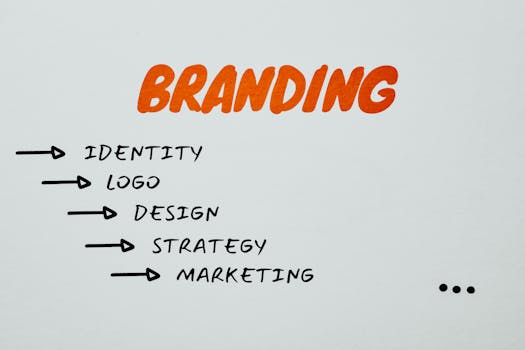
Brand Identity Fails: Avoid Costly Mistakes & Build a Strong Brand
Introduction
Is a weak brand holding business back? A strong brand identity is the cornerstone of business success, yet many stumble when building or maintaining theirs. "Avoid These Brand Identity Mistakes at All Costs" is more than just a catchy title; it's a survival guide in a competitive market. A compelling brand identity differentiates a business, fosters customer loyalty, and ultimately drives revenue. Over time, the importance of a carefully constructed brand has only intensified. In the early days of commerce, reputation was largely built through word-of-mouth within local communities. Today, brand identity extends far beyond a logo; it encompasses every touchpoint a customer has with business, from website design and social media presence to customer service interactions and product packaging. A poorly defined brand can lead to customer confusion, damage reputation, and result in significant financial losses. For example, consider the case of a startup offering innovative software solutions. Without a clear and consistent brand identity, the startup struggled to attract investors and gain traction in the market. The lack of a cohesive brand message made it difficult for potential customers to understand the value proposition, ultimately hindering growth.
Industry Statistics & Data
The impact of brand identity on a business's bottom line is undeniable. Several key statistics highlight this importance.
1. Consistent branding across all platforms can increase revenue by up to 23% (Source: Lucidpress). This demonstrates the tangible financial benefit of maintaining a cohesive brand image.
2. 82% of investors believe brand recognition is a significant factor when deciding where to invest (Source: Interbrand). A strong brand signals stability and trustworthiness, making it an attractive investment opportunity.
3. 77% of consumers make purchases based on a brand name (Source: Statista). This illustrates the power of brand recognition in influencing consumer behavior and driving sales.
These numbers paint a clear picture: investing in a strong and consistent brand identity is not just a cosmetic exercise; it's a strategic imperative for sustainable business growth. A clear understanding of market statistics can help business owners comprehend the need for well-defined brand strategies.
Core Components
Building a successful brand identity requires a clear understanding of its core components. Key elements work together to create a unique and memorable brand that resonates with customers.
Visual Identity
The visual identity encompasses all the elements that customers can see, including the logo, color palette, typography, and imagery. A well-designed visual identity should be visually appealing, memorable, and consistent across all platforms. The logo is often the most recognizable element of a brand, acting as its visual signature. Colors evoke emotions and associations, influencing how customers perceive the brand. Typography conveys personality and readability, while imagery creates a visual narrative that supports the brand message. Consider the example of Coca-Cola. Its iconic logo, distinct red color, and classic typography are instantly recognizable worldwide, representing a brand steeped in history and tradition. The consistent application of these visual elements across all marketing materials and packaging reinforces brand recognition and strengthens its identity. Studies show that visual consistency can increase brand recognition by up to 80% (Source: Forbes).
Brand Voice
Brand voice refers to the personality and tone of communication. It dictates how a brand communicates with its audience, whether through website copy, social media posts, or customer service interactions. A consistent brand voice creates a cohesive and authentic experience for customers, fostering trust and building relationships. The brand voice should reflect the brand's values, target audience, and overall brand personality. A luxury brand might adopt a sophisticated and refined tone, while a playful brand might use a more informal and humorous voice. Take the example of Innocent Drinks, known for its quirky and playful brand voice. Their social media posts, product packaging, and website copy are filled with humor and personality, making the brand relatable and engaging. This unique brand voice sets Innocent Drinks apart from competitors and resonates with its target audience of health-conscious consumers.
Brand Values
Brand values are the guiding principles that define a brand's purpose and mission. They represent what a brand stands for and how it operates. Clearly defined brand values help guide decision-making, shape the company culture, and inform all marketing efforts. When brand values align with customers' personal values, it fosters a deeper connection and builds brand loyalty. A brand's values should be authentic and reflect the company's genuine beliefs. Patagonia, the outdoor clothing and gear company, is a prime example of a brand with strong values. Its commitment to environmental sustainability is evident in its business practices, product design, and marketing campaigns. Patagonia actively advocates for environmental causes and donates a portion of its profits to environmental organizations. This commitment to sustainability resonates with its target audience of environmentally conscious consumers, building a loyal customer base and strengthening its brand identity.
Brand Experience
The brand experience encompasses all the interactions a customer has with a brand, from the initial awareness stage to the post-purchase experience. A positive brand experience creates a lasting impression and fosters customer loyalty. Every touchpoint, including website navigation, customer service interactions, product packaging, and in-store experiences, contributes to the overall brand experience. Brands must strive to create a seamless and consistent experience across all channels. Apple is known for its exceptional brand experience. From its sleek and intuitive product design to its user-friendly retail stores and customer service, Apple consistently delivers a premium experience that delights customers. This focus on creating a positive brand experience has been a key factor in Apple's success and strong brand reputation.
Common Misconceptions
Several misconceptions surrounding brand identity can lead businesses down the wrong path. Addressing these misunderstandings is crucial for building a robust and effective brand.
Brand Identity is Just a Logo
One of the most common misconceptions is that brand identity is solely about the logo. While the logo is an important visual element, it's just one piece of the puzzle. Brand identity encompasses the entire perception of business, including its values, voice, and customer experience. Failing to consider these other factors can result in a superficial and ineffective brand.
Branding is Only for Big Businesses
Another misconception is that branding is only relevant for large corporations with deep pockets. In reality, branding is essential for businesses of all sizes, including startups and small businesses. A strong brand identity can help small businesses differentiate themselves from competitors, attract customers, and build a loyal following.
Branding is a One-Time Task
Many believe that branding is a one-time task that can be completed and forgotten. In reality, branding is an ongoing process that requires constant monitoring, adaptation, and refinement. As market trends and customer preferences evolve, a brand must be willing to adapt its identity to remain relevant and resonate with its target audience.
Comparative Analysis
Brand identity is not the only approach to building business recognition. Alternative methods, like focusing solely on product quality or relying on short-term marketing tactics, exist. However, a comprehensive brand identity offers several advantages.
Product Quality Focus:* While offering high-quality products or services is crucial, it's not enough to build a lasting brand. Without a strong brand identity, businesses may struggle to differentiate themselves from competitors and build customer loyalty.
Pros: Can lead to positive word-of-mouth and repeat business.
Cons: Doesn't create an emotional connection with customers or build a distinct brand personality.
Short-Term Marketing Tactics:* Relying on short-term marketing campaigns can generate quick sales but doesn't build long-term brand equity. These tactics often lack consistency and don't contribute to a cohesive brand image.
Pros: Can generate immediate results and boost short-term revenue.
Cons: Doesn't build lasting brand recognition or foster customer loyalty.
In contrast, a well-defined brand identity creates a consistent and authentic brand experience that resonates with customers on an emotional level. It builds trust, fosters loyalty, and ultimately drives sustainable business growth.
Best Practices
Building a strong brand identity requires following industry best practices and avoiding common pitfalls. By implementing these guidelines, businesses can create a brand that resonates with customers and drives success.
1. Define Core Values: Clearly define brand's core values and ensure they are reflected in all business decisions and marketing efforts.
2. Know Target Audience: Understand target audience and tailor brand identity to resonate with their needs, preferences, and values.
3. Maintain Visual Consistency: Maintain consistent visual identity across all platforms, including logo, color palette, typography, and imagery.
4. Develop Unique Brand Voice: Develop a unique brand voice that reflects brand's personality and resonates with target audience.
5. Monitor Brand Reputation: Regularly monitor brand reputation online and address any negative feedback promptly and professionally.
Common challenges include maintaining consistency across all channels, adapting to changing market trends, and staying true to brand values. Overcoming these challenges requires careful planning, consistent effort, and a willingness to adapt and evolve.
Expert Insights
According to branding expert Laura Ries, "A brand is built over years. A brand is stretched over decades. A brand is forever." This quote highlights the long-term commitment required to build a successful brand. Research from the Harvard Business Review shows that brands with a strong purpose outperform their competitors by 9 times in terms of shareholder returns.
Step-by-Step Guide
Implementing a brand identity strategy effectively requires a structured approach. Here's a step-by-step guide to help businesses build a strong and cohesive brand:
1. Define Brand Purpose: What is brand's mission?
2. Identify Target Audience: Determine ideal customer persona.
3. Develop Brand Values: What does brand stand for?
4. Create Visual Identity: Design logo, color palette, and typography.
5. Craft Brand Voice: How does brand communicate?
6. Implement Brand Guidelines: Ensure consistency across all channels.
7. Monitor and Adapt: Track performance and adapt brand identity as needed.
Practical Applications
Implementing the guide above requires utilization of the following tools:
1. Design Software (Adobe Creative Suite): For visual identity creation.
2. Social Media Management Tools (Hootsuite, Buffer): For consistent brand messaging.
3. Brand Monitoring Tools (Mention, Brandwatch): For tracking brand reputation.
Optimization Techniques:*
1. SEO Optimization: Integrate brand keywords into website content and marketing materials.
2. Social Media Engagement: Actively engage with followers and respond to comments and messages promptly.
3. Content Marketing: Create valuable and engaging content that aligns with brand values and target audience interests.
Real-World Quotes & Testimonials
"A brand is no longer what we tell the consumer it is - it is what consumers tell each other it is." - Scott Cook, co-founder of Intuit.
Common Questions
1. How long does it take to build a strong brand identity? Building a strong brand identity is an ongoing process that can take months or even years. It requires consistent effort, careful planning, and a willingness to adapt and evolve over time. The timeline will vary depending on the size and complexity of the business, as well as the level of competition in the market. A new startup may need to focus on establishing a basic brand identity first, while an established business may need to undergo a more comprehensive rebranding effort.
2. How much does it cost to build a brand identity? The cost of building a brand identity can vary widely depending on the scope of work and the resources involved. A basic brand identity package, including a logo and visual guidelines, can cost anywhere from a few hundred to several thousand dollars. A more comprehensive branding effort, including market research, brand strategy, and creative development, can cost tens of thousands of dollars. It's important to carefully consider your budget and needs when planning your branding investment.
3. How do I measure the success of my brand identity? There are several ways to measure the success of brand identity, including tracking brand awareness, brand perception, customer loyalty, and sales growth. Brand awareness can be measured through surveys, social media monitoring, and website traffic analysis. Brand perception can be assessed through customer feedback and online reviews. Customer loyalty can be tracked through repeat purchase rates and customer lifetime value. Sales growth can be used as an indicator of the overall effectiveness of branding efforts.
4. How often should I update my brand identity? Brand identity should be reviewed and updated periodically to ensure it remains relevant and resonates with target audience. A major rebranding effort may be necessary every few years, while smaller updates can be made more frequently. Factors such as changing market trends, shifts in customer preferences, and new business strategies can trigger the need for a brand refresh.
5. What are the key elements of a successful brand identity? The key elements of a successful brand identity include a clear brand purpose, a well-defined target audience, consistent visual identity, a unique brand voice, and a strong brand experience. These elements work together to create a cohesive and authentic brand that resonates with customers and drives business success.
6. How do I protect my brand identity from infringement? Protecting brand identity from infringement requires several steps, including registering trademarks, monitoring online activity, and enforcing intellectual property rights. Trademarks provide legal protection for logo, brand name, and other identifying marks. Monitoring online activity can help identify potential infringements. Taking legal action against infringers can help protect brand identity and prevent unauthorized use.
Implementation Tips
1. Start with a clear strategy: Avoid jumping into design without first defining the brand's purpose, values, and target audience. A solid strategy provides the foundation for a consistent and effective brand identity.
2. Involve key stakeholders: Get input from employees, customers, and other stakeholders to ensure that brand identity reflects the company's values and resonates with target audience.
3. Test and refine: Before launching brand identity, test it with target audience to get feedback and make necessary adjustments.
4. Be patient: Building a strong brand identity takes time and effort. Don't expect overnight success. Focus on consistency and continuous improvement.
5. Stay true to brand values: Ensure all business decisions and marketing efforts align with brand's core values. Authenticity is key to building trust and fostering customer loyalty.
User Case Studies
Case Study 1: Nike*
Nike's success is deeply rooted in its brand identity. The "Just Do It" slogan empowers athletes, while visual elements are universally recognizable. The company's focus on innovation and performance resonates with athletes of all levels, solidifying its position as a global leader in sportswear.
Case Study 2: Apple*
Apple's brand identity is synonymous with innovation, design, and user experience. The company's sleek and intuitive products, coupled with a premium brand experience, have created a loyal customer base that is willing to pay a premium for Apple products.
Interactive Element (Optional)
Quiz: Is Your Brand Identity Strong?*
1. Does brand have clearly defined core values? (Yes/No)
2. Is visual identity consistent across all platforms? (Yes/No)
3. Does brand voice resonate with target audience? (Yes/No)
If answered "No" to any of these questions, there's an opportunity for improvement.
Future Outlook
Emerging trends include the increasing importance of brand purpose, the rise of personalized marketing, and the growing role of social media. Upcoming developments include the use of AI-powered branding tools and the integration of virtual and augmented reality into brand experiences. Long-term impact will be increased emphasis on authenticity, transparency, and sustainability.
Conclusion
Avoiding brand identity mistakes is critical for long-term success. By understanding core components, addressing common misconceptions, and following best practices, businesses can build a strong brand that resonates with customers and drives sustainable growth. Take action today to define or refine brand identity and unlock business's full potential.
