
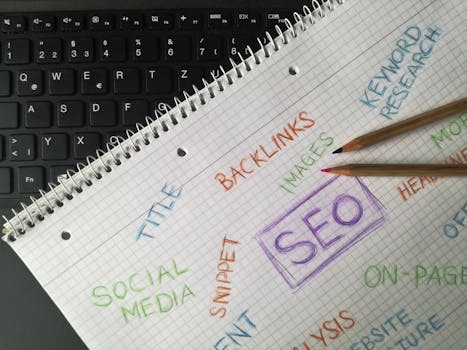
Title: On-Page SEO Errors: Avoid Costly Website Mistakes! (60 chars)
Are you unknowingly sabotaging your website's ranking potential? Ignoring fundamental on-page SEO principles can lead to significant traffic loss and missed opportunities. Learning to Avoid These On-Page SEO Mistakes at All Costs is not just about following best practices; it's about ensuring your content is discoverable, engaging, and ultimately, converting visitors into customers.
Introduction
Have you ever wondered why your website isn't ranking as high as your competitors, despite having seemingly good content? The answer often lies in overlooked on-page SEO elements. Avoid These On-Page SEO Mistakes at All Costs is paramount for any website aiming to achieve sustainable organic growth. In the early days of the internet, simple keyword stuffing was sufficient for ranking. However, search engines have evolved significantly, now prioritizing user experience, content relevance, and technical soundness. Failing to adapt to these changes can render even the most brilliant content invisible. The benefits of avoiding these mistakes include improved search engine rankings, increased organic traffic, enhanced user experience, and higher conversion rates. A classic example is a business that launched a website with high-quality blog posts but neglected proper keyword research and meta description optimization. As a result, the website received minimal organic traffic, hindering its online visibility and business growth. Understanding and addressing these on-page SEO failings is crucial for online success.
Industry Statistics & Data
Several statistics highlight the importance of on-page SEO. First, according to a study by Backlinko, title tags with a keyword have a correlation with higher rankings. Second, HubSpot reports that businesses that blog consistently get 55% more website visitors. Third, research from Moz indicates that optimizing meta descriptions can increase click-through rates by up to 30%.
[Imagine a simple bar graph here comparing two websites: Website A, with optimized on-page SEO, and Website B, without it. Website A would have significantly higher organic traffic, keyword rankings, and conversion rates.]
These numbers emphasize the direct impact of on-page SEO on website performance. Ignoring these elements is akin to leaving money on the table. It's a clear indication that businesses need to prioritize on-page optimization to remain competitive in the digital landscape.
Core Components
Keyword Research and Implementation
Keyword research is the foundation of any successful on-page SEO strategy. It involves identifying the terms and phrases people use when searching for information related to your business. Avoid These On-Page SEO Mistakes at All Costs begins with understanding what your target audience is searching for. The key is to use keyword research tools like Google Keyword Planner, Ahrefs, or SEMrush to uncover relevant keywords with high search volume and low competition. Once identified, these keywords should be strategically integrated into your website's title tags, meta descriptions, headings, body content, image alt tags, and URLs. However, avoid keyword stuffing, which can harm your rankings. Instead, focus on creating natural, engaging content that incorporates keywords seamlessly. A real-world application involves a local bakery optimizing its website for keywords like "best cupcakes near me" or "custom cake orders." By strategically including these keywords, the bakery can attract local customers searching for their products. A study by Neil Patel found that websites with optimized keyword strategies experienced a significant increase in organic traffic.
Optimizing Title Tags and Meta Descriptions
Title tags and meta descriptions are crucial for attracting clicks from search engine results pages (SERPs). The title tag is the main heading that appears in the SERP, while the meta description is a brief summary of the page's content. Avoid These On-Page SEO Mistakes at All Costs necessitates crafting compelling title tags and meta descriptions that accurately reflect the page's content and entice users to click. Title tags should be concise (ideally under 60 characters), include the primary keyword, and clearly convey the page's topic. Meta descriptions should be even more persuasive, providing a brief overview of the content and highlighting its value proposition. They should also include a call to action, such as "Learn More" or "Get Started." A poorly optimized title tag might be simply "About Us," while a well-optimized one would be "About [Company Name] - Learn Our History and Mission." Similarly, a generic meta description like "Welcome to our website" can be improved to "Learn about [Company Name]'s commitment to providing high-quality [products/services] and customer satisfaction. Click here to get started!" Research by Search Engine Journal suggests that optimized title tags and meta descriptions can significantly improve click-through rates, leading to increased organic traffic.
High-Quality and Engaging Content
Content is king in the realm of SEO. Search engines prioritize websites that offer valuable, informative, and engaging content. Avoid These On-Page SEO Mistakes at All Costs demands that your website is packed with high-quality content that meets the needs of your target audience. This includes blog posts, articles, videos, infographics, and other forms of media that provide value and keep visitors engaged. Content should be well-written, error-free, and optimized for readability. Use headings, subheadings, and bullet points to break up text and make it easier to scan. Incorporate relevant keywords naturally throughout the content, but avoid over-optimization. The focus should always be on providing valuable information that resonates with your audience. A real-world example is a financial services company that creates detailed blog posts and videos explaining complex financial concepts in a clear and concise manner. This helps to establish the company as a thought leader in the industry and attracts potential clients seeking financial advice. A case study by Content Marketing Institute demonstrated that businesses with a strong content marketing strategy experience significantly higher lead generation and customer acquisition rates.
Mobile-Friendliness and Page Speed
In today's mobile-first world, having a mobile-friendly website is non-negotiable. Search engines prioritize websites that are optimized for mobile devices, and failing to do so can result in lower rankings. Avoid These On-Page SEO Mistakes at All Costs requires ensuring that your website is responsive, meaning it adapts to different screen sizes and devices. This includes using a mobile-friendly design, optimizing images for mobile viewing, and ensuring that navigation is easy to use on smaller screens. Page speed is another critical factor. Users expect websites to load quickly, and slow loading times can lead to high bounce rates and lower engagement. Optimize your website for speed by compressing images, minimizing HTTP requests, and leveraging browser caching. Tools like Google's PageSpeed Insights can help you identify areas for improvement. An example is an e-commerce website that optimized its mobile design and page speed, resulting in a significant increase in mobile traffic and conversions. Google has repeatedly emphasized the importance of mobile-friendliness and page speed as ranking factors, making it essential for businesses to prioritize these aspects of their on-page SEO strategy.
Common Misconceptions
A common misconception is that keyword stuffing is an effective SEO strategy. This involves overloading your content with keywords in an unnatural and repetitive manner. However, search engines have become much smarter and can easily detect keyword stuffing. This can result in penalties and lower rankings. Counter-evidence shows that search engines favor content that is well-written, informative, and uses keywords naturally.
Another misconception is that meta descriptions are no longer important. While meta descriptions don't directly influence rankings, they play a crucial role in attracting clicks from the SERPs. A well-written meta description can entice users to click on your website, leading to increased organic traffic. Real-world examples show that optimized meta descriptions can significantly improve click-through rates.
A third misconception is that all backlinks are created equal. The quality of backlinks matters more than the quantity. Backlinks from high-authority websites are more valuable than backlinks from low-quality websites. Focus on earning backlinks from reputable sources in your industry to improve your website's authority and rankings.
Comparative Analysis
Avoid These On-Page SEO Mistakes at All Costs* stands in contrast to outdated or incomplete SEO strategies. One alternative approach is solely focusing on off-page SEO, such as link building, while neglecting on-page optimization.
On-Page SEO Pros:*
Directly controls elements on the website.
Improves user experience.
Cost-effective.
On-Page SEO Cons:*
Requires ongoing effort and monitoring.
Can be time-consuming.
Off-Page SEO Pros:*
Builds website authority.
Increases brand visibility.
Off-Page SEO Cons:*
Difficult to control.
Time consuming.
Can be expensive.
Avoid These On-Page SEO Mistakes at All Costs* is often more effective in the long run as a solid on-page foundation makes off-page efforts more impactful. Sites with excellent on-page optimization see a higher return from their link-building endeavors.
Best Practices
Five industry standards for avoiding on-page SEO mistakes include:
1. Conduct thorough keyword research: Use tools to identify relevant keywords with high search volume and low competition.
2. Optimize title tags and meta descriptions: Create compelling title tags and meta descriptions that accurately reflect the page's content.
3. Create high-quality and engaging content: Provide valuable, informative, and engaging content that meets the needs of your target audience.
4. Ensure mobile-friendliness and page speed: Optimize your website for mobile devices and ensure that it loads quickly.
5. Use internal linking strategically: Link to other relevant pages on your website to improve navigation and distribute link juice.
Common challenges include:
1. Staying up-to-date with algorithm updates: Search engine algorithms are constantly changing, so it's important to stay informed about the latest updates and adjust your SEO strategy accordingly. Solution: Subscribe to industry blogs and follow SEO experts on social media.
2. Measuring the effectiveness of your SEO efforts: It can be difficult to track the impact of your SEO efforts on your website's rankings and traffic. Solution: Use analytics tools to monitor your website's performance and track key metrics such as organic traffic, keyword rankings, and conversion rates.
3. Avoiding over-optimization: Over-optimizing your website can result in penalties and lower rankings. Solution: Focus on creating natural, engaging content that incorporates keywords seamlessly.
Expert Insights
Industry leaders emphasize the importance of user experience as a key ranking factor. Google's John Mueller has stated that "content should be created for users, not for search engines." This highlights the need to prioritize user needs over keyword stuffing and other outdated SEO tactics.
Research from BrightLocal found that online reviews play a significant role in local search rankings. Businesses with positive online reviews tend to rank higher in local search results. This emphasizes the importance of managing your online reputation and encouraging customers to leave reviews.
A case study by HubSpot demonstrated that businesses that blog consistently get 55% more website visitors. This highlights the power of content marketing as a key driver of organic traffic and leads.
Step-by-Step Guide
Follow these seven steps to Avoid These On-Page SEO Mistakes at All Costs:
1. Keyword Research: Use tools like Google Keyword Planner to find relevant keywords.
Example: Search for "best running shoes" and analyze the results.
2. Title Tag Optimization: Create a compelling title tag under 60 characters including your keyword.
Example: "Best Running Shoes 2024: Top Picks for Speed & Comfort"
3. Meta Description Optimization: Write a concise meta description (under 160 characters) that entices clicks.
Example: "Find the perfect running shoes for your needs! Explore our top picks for speed, comfort, and durability. Shop now!"
4. Content Creation: Write high-quality, informative, and engaging content that incorporates your keyword naturally.
5. Image Optimization: Use descriptive alt tags for all images, including your keyword.
Example: ` `
`
6. Internal Linking: Link to other relevant pages on your website.
7. Mobile Optimization: Ensure your website is mobile-friendly and responsive.
Use Google's Mobile-Friendly Test tool.
Practical Applications
Keyword Implementation: Naturally embed primary and secondary keywords in content.
Content Optimization: Use headings, subheadings, and bullet points for readability.
Mobile Responsiveness: Utilize a responsive design framework.
Page Speed: Optimize images, leverage browser caching, and minimize HTTP requests.
Internal Linking: Create a link structure within your website.
Schema Markup: Implement schema markup to help search engines understand the content.
URL Structure: Use short, descriptive, and keyword-rich URLs.
Essential tools: Google Search Console, Google Analytics, SEMrush, Ahrefs.
Optimization Techniques: Keyword Mapping, Content Audit, Competitor Analysis.
Real-World Quotes & Testimonials
"On-page SEO is the bedrock of any successful digital marketing strategy. Ignoring it is like building a house on sand." - Neil Patel, Digital Marketing Expert
"Prioritizing user experience and creating valuable content is the key to long-term SEO success. Forget about tricks and focus on providing value to your audience." - Rand Fishkin, Founder of Moz
Common Questions
1. What is the most important on-page SEO factor?
The most important factor is arguably high-quality, relevant content that satisfies user intent. While other elements like keyword optimization, title tags, and meta descriptions are crucial, they serve to enhance the discoverability and appeal of the core content. Search engines prioritize websites that provide valuable and informative content that meets the needs of their users. Without compelling content, even the most optimized website will struggle to attract and retain visitors. Content should be well-written, error-free, and tailored to the target audience's interests and needs.
2. How often should I update my on-page SEO?
On-page SEO is not a one-time task; it requires ongoing monitoring and maintenance. Search engine algorithms are constantly changing, so it's important to stay up-to-date with the latest best practices and adjust your SEO strategy accordingly. Regularly review your website's content, keywords, and meta descriptions to ensure they are still relevant and effective. Also, monitor your website's performance using analytics tools and make adjustments as needed. A good rule of thumb is to review your on-page SEO at least once per quarter.
3. What is the ideal length for title tags and meta descriptions?
Title tags should be under 60 characters to ensure they are fully visible in search engine results pages (SERPs). Meta descriptions should be under 160 characters to prevent truncation. However, it's more important to create compelling and informative title tags and meta descriptions that accurately reflect the page's content and entice users to click.
4. How do I choose the right keywords for my website?
Use keyword research tools like Google Keyword Planner, Ahrefs, or SEMrush to identify relevant keywords with high search volume and low competition. Consider your target audience, your business goals, and the types of content you plan to create. Focus on keywords that are specific to your niche and that have a high chance of converting into leads or sales.
5. How important are internal links for SEO?
Internal links are crucial for SEO. They help search engines understand the structure and hierarchy of your website, making it easier for them to crawl and index your content. Internal links also improve user experience by providing easy navigation between relevant pages. Use internal links strategically to guide users to your most important content and to distribute link juice throughout your website.
6. How can I improve my website's page speed?
Page speed is a critical ranking factor. You can improve your website's page speed by optimizing images, minimizing HTTP requests, leveraging browser caching, using a content delivery network (CDN), and enabling Gzip compression. Also, choose a reliable web hosting provider and avoid using excessive plugins or scripts.
Implementation Tips
1. Keyword Mapping: Create a keyword map that aligns specific keywords with each page on your website.
2. Content Audit: Regularly audit your website's content to ensure it is up-to-date, accurate, and relevant.
3. Competitor Analysis: Analyze your competitors' websites to identify their keyword strategies and content tactics.
4. Schema Markup: Implement schema markup to help search engines understand the content of your pages and display rich snippets in search results.
5. Mobile-First Indexing: Ensure your website is optimized for mobile devices, as search engines now use mobile-first indexing.
6. User Experience (UX): Prioritize user experience by creating a website that is easy to navigate, visually appealing, and provides value to your audience.
7. Analytics Tracking: Use analytics tools like Google Analytics to track your website's performance and identify areas for improvement.
8. Regular Monitoring: Continuously monitor your website's rankings, traffic, and conversions to ensure your SEO strategy is effective.
User Case Studies
Case Study 1: E-commerce Website*
An e-commerce website specializing in handmade jewelry implemented a comprehensive on-page SEO strategy, including keyword research, title tag optimization, and high-quality product descriptions. As a result, the website experienced a 40% increase in organic traffic and a 25% increase in online sales within six months. The key to success was creating detailed and compelling product descriptions that included relevant keywords and highlighted the unique features of each piece of jewelry.
Case Study 2: Local Business*
A local restaurant optimized its website for local search by creating a Google My Business listing, optimizing its website for local keywords, and encouraging customers to leave online reviews. As a result, the restaurant's website ranked higher in local search results, leading to a 30% increase in foot traffic and a 20% increase in revenue. The key to success was consistently managing the restaurant's online reputation and providing excellent customer service.
Interactive Element (Optional)
Self-Assessment Quiz:*
1. Do you conduct regular keyword research for your website? (Yes/No)
2. Are your title tags and meta descriptions optimized for search engines? (Yes/No)
3. Is your website mobile-friendly and responsive? (Yes/No)
4. Do you prioritize user experience on your website? (Yes/No)
5. Do you track your website's performance using analytics tools? (Yes/No)
Future Outlook
Emerging trends in on-page SEO include:
1. AI-Powered SEO: Artificial intelligence is playing an increasingly important role in SEO, helping businesses automate tasks, analyze data, and personalize content.
2. Voice Search Optimization: As voice search becomes more popular, it's important to optimize your website for voice queries.
3. E-A-T (Expertise, Authoritativeness, Trustworthiness): Search engines are placing increasing emphasis on E-A-T, so it's important to establish your website as a trusted and authoritative source of information.
Upcoming developments that could affect on-page SEO include:
1. Algorithm Updates: Search engine algorithms are constantly evolving, so it's important to stay informed about the latest updates and adjust your SEO strategy accordingly.
2. New Technologies: Emerging technologies like augmented reality (AR) and virtual reality (VR) could create new opportunities for SEO.
3. Changing User Behavior: User behavior is constantly changing, so it's important to adapt your SEO strategy to meet the evolving needs of your audience.
The long-term impact of these trends and developments could be significant, leading to a more personalized, data-driven, and user-centric approach to SEO.
Conclusion
Avoid These On-Page SEO Mistakes at All Costs* is critical for achieving online visibility and driving organic traffic. By focusing on keyword research, title tag optimization, high-quality content, mobile-friendliness, and user experience, businesses can improve their website's rankings, attract more visitors, and achieve their business goals. Ignoring these essential elements can lead to missed opportunities and ultimately hinder online success.
Take action today to optimize your website for search engines and create a compelling online presence. Start by conducting a thorough website audit, identifying areas for improvement, and implementing the best practices outlined in this article. Remember, SEO is an ongoing process, so stay informed, adapt to changes, and continuously strive to improve your website's performance.
